Threads of a Vanishing Craft
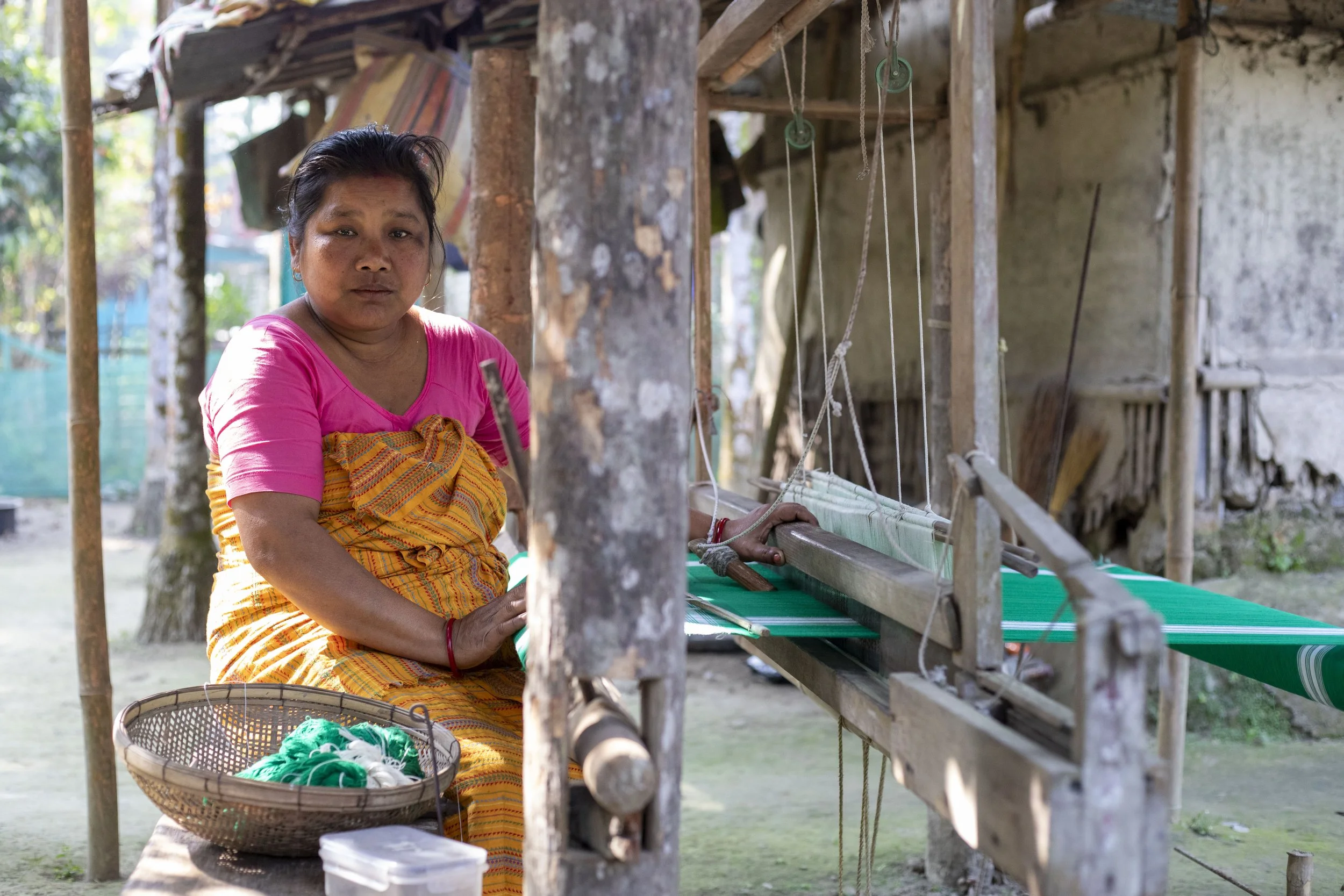
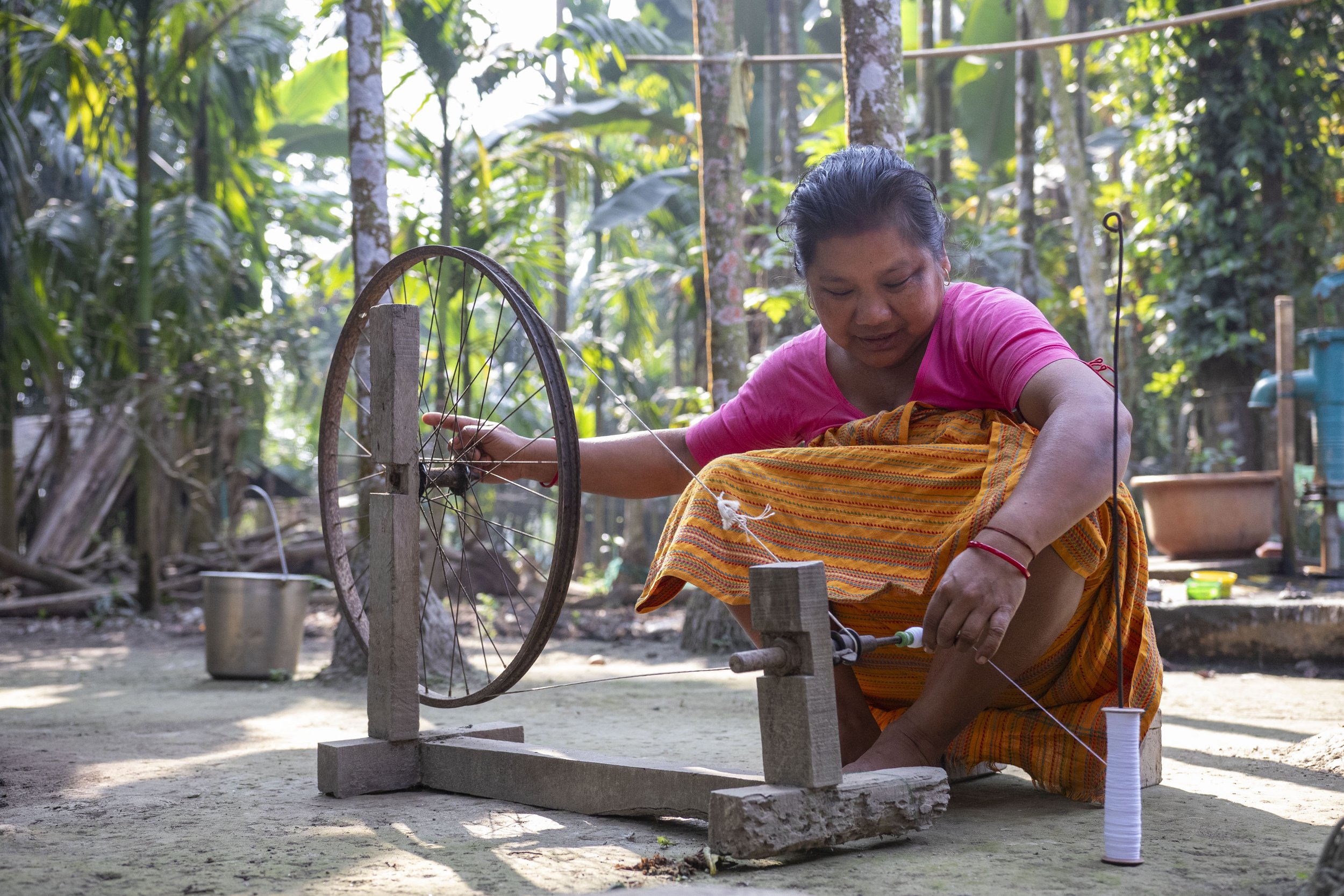
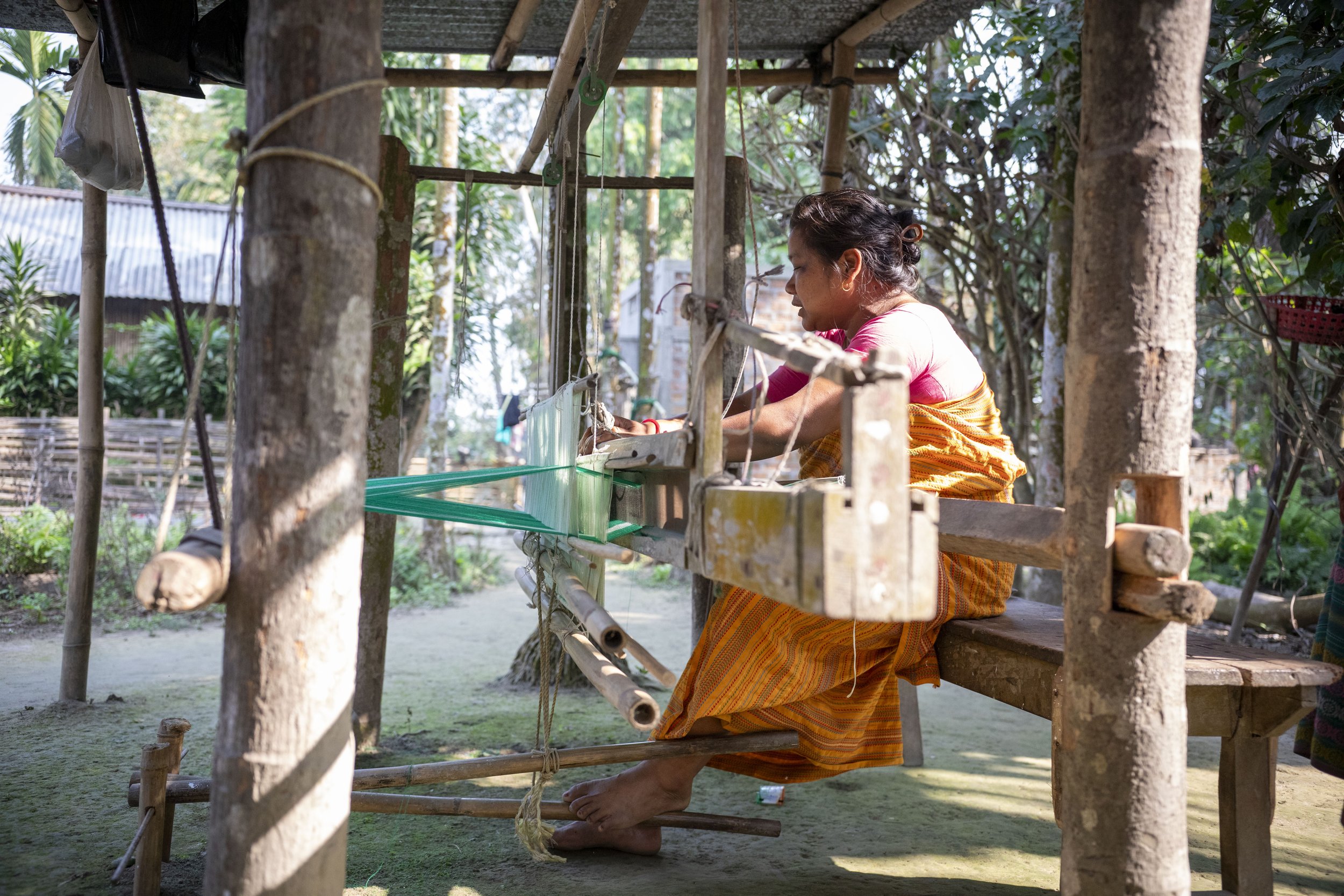
NO.1 PALASHGURI, Assam. In a village of 47 families in India’s northeastern state of Assam, only one person continues the tradition of handloom weaving.
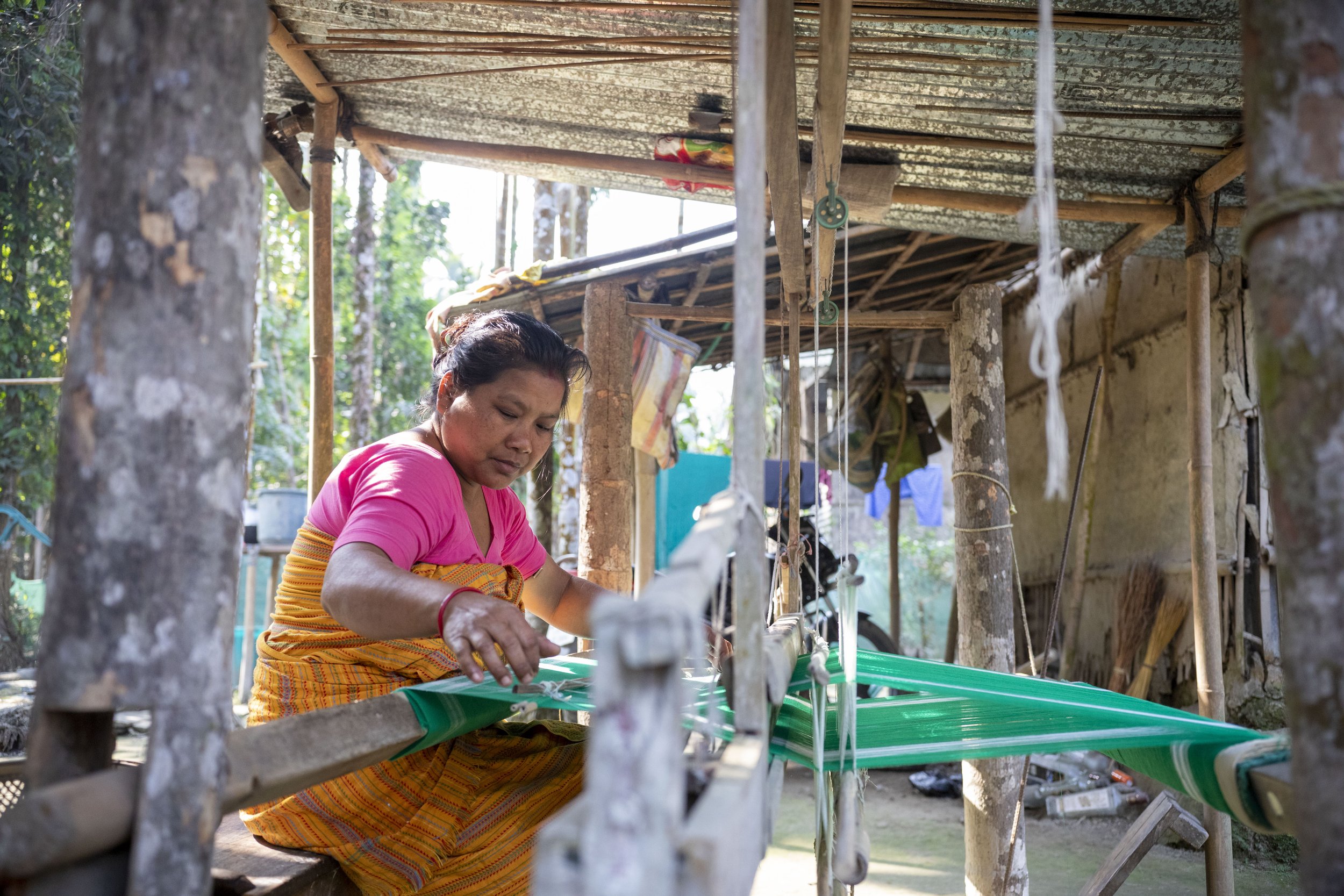
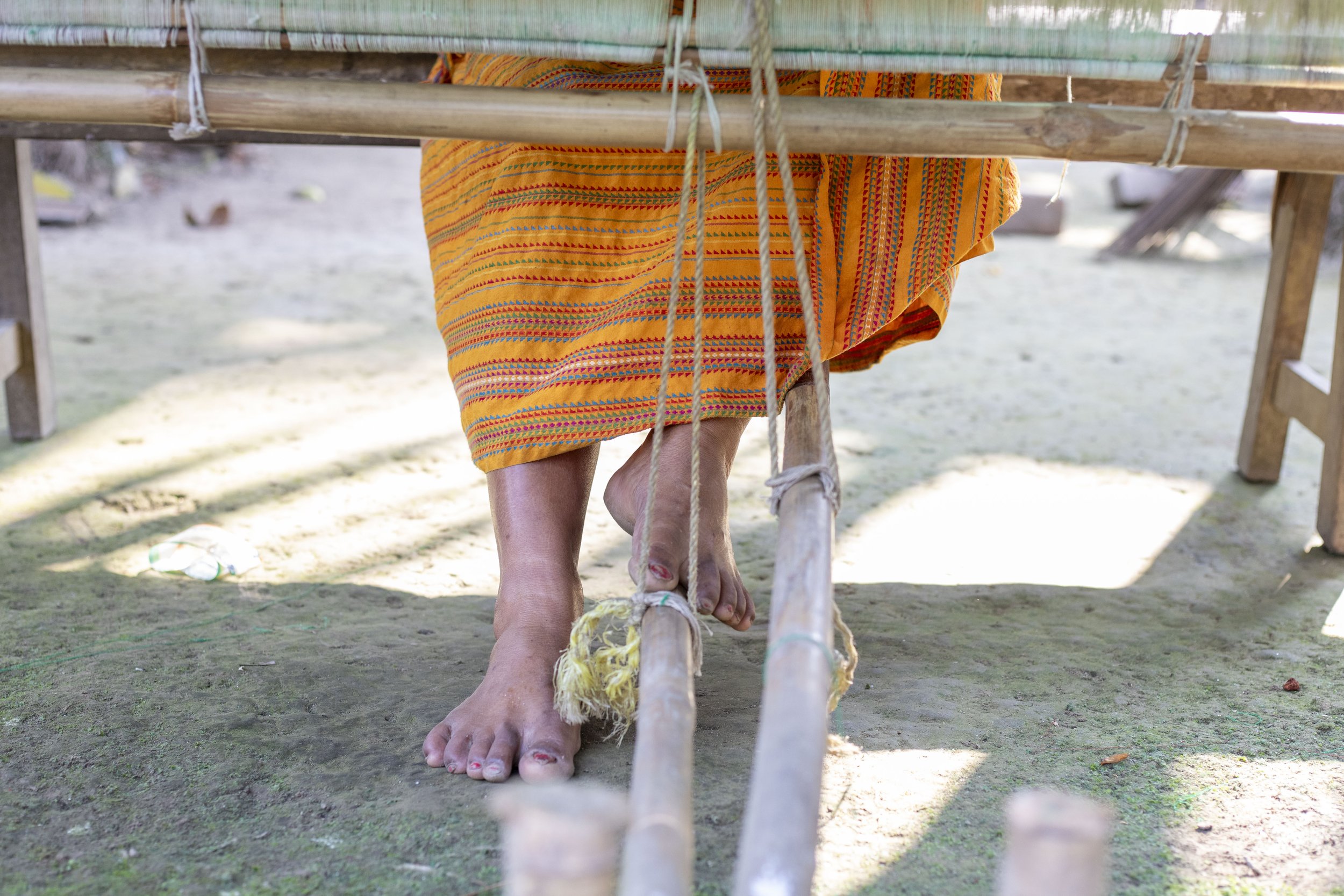
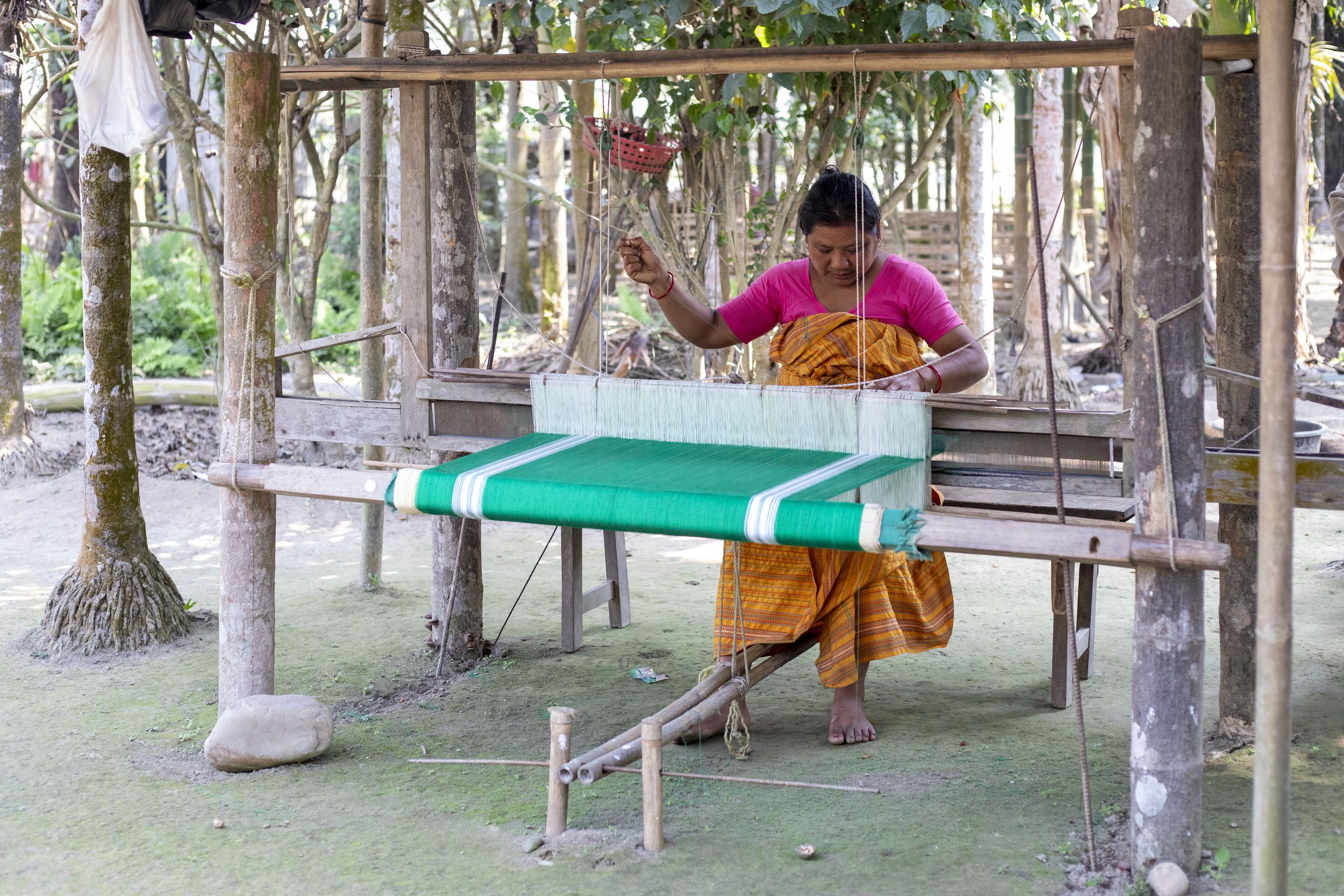
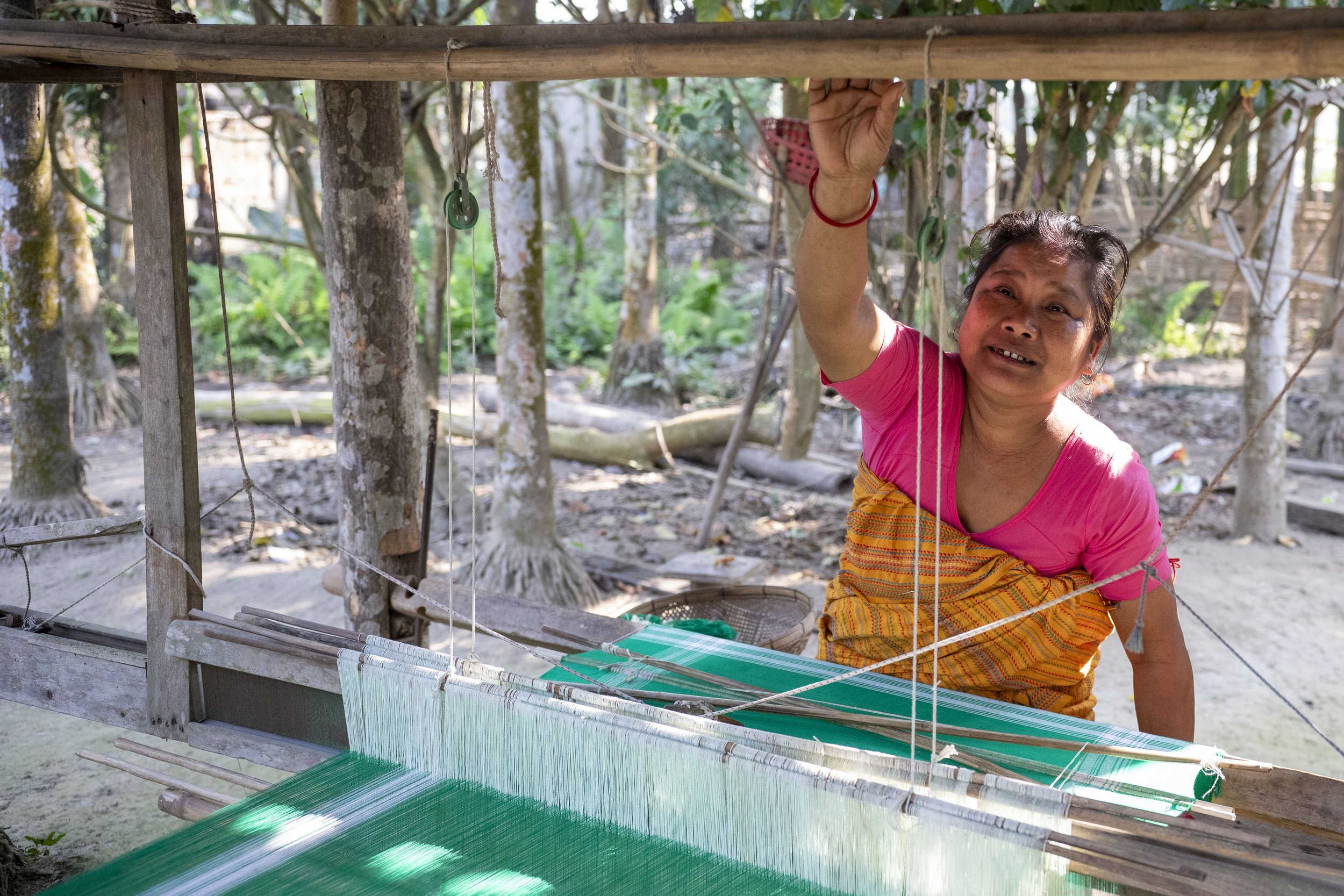
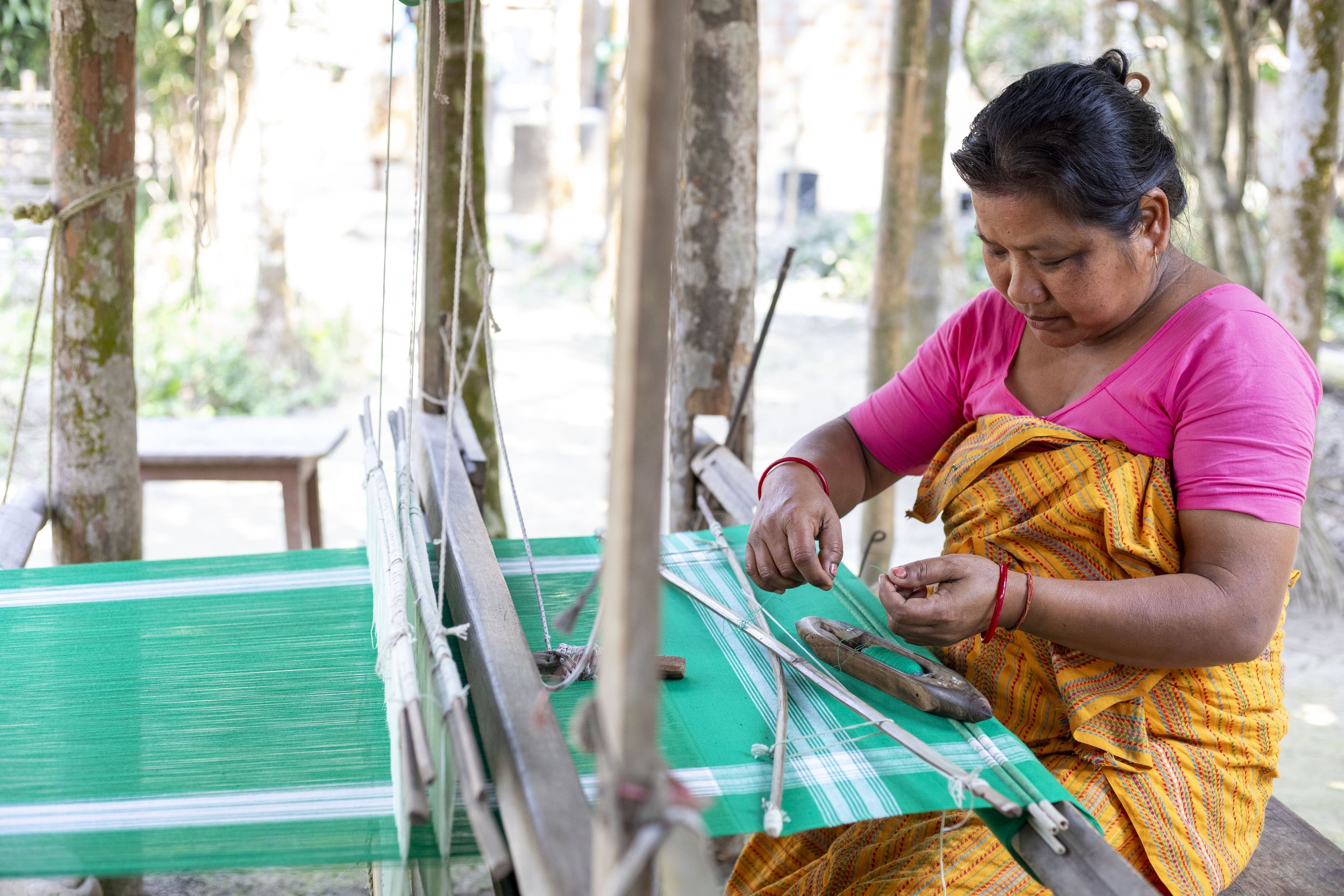
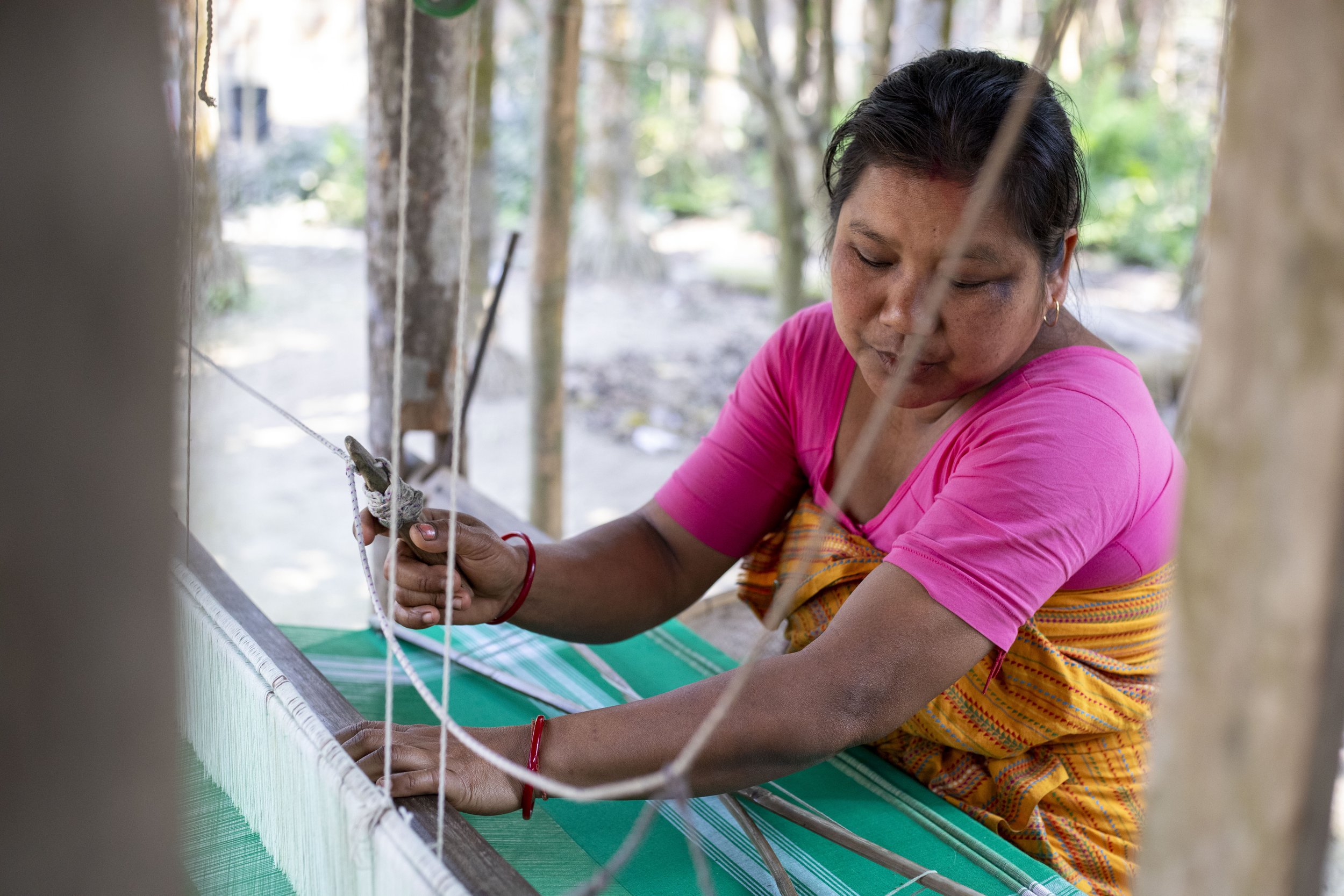
Rangao Brahma, 41, is the last weaver in No.1 Palashguri, in Bongaigaon district. Inside her home, the sound of the loom wood tapping and thread tightening now comes from a single household.
Brahma began learning as a child, often in secret, visiting her aunt’s home to practise. Even when she was chased away, she returned. What began as curiosity developed into a skill that now supports her family.
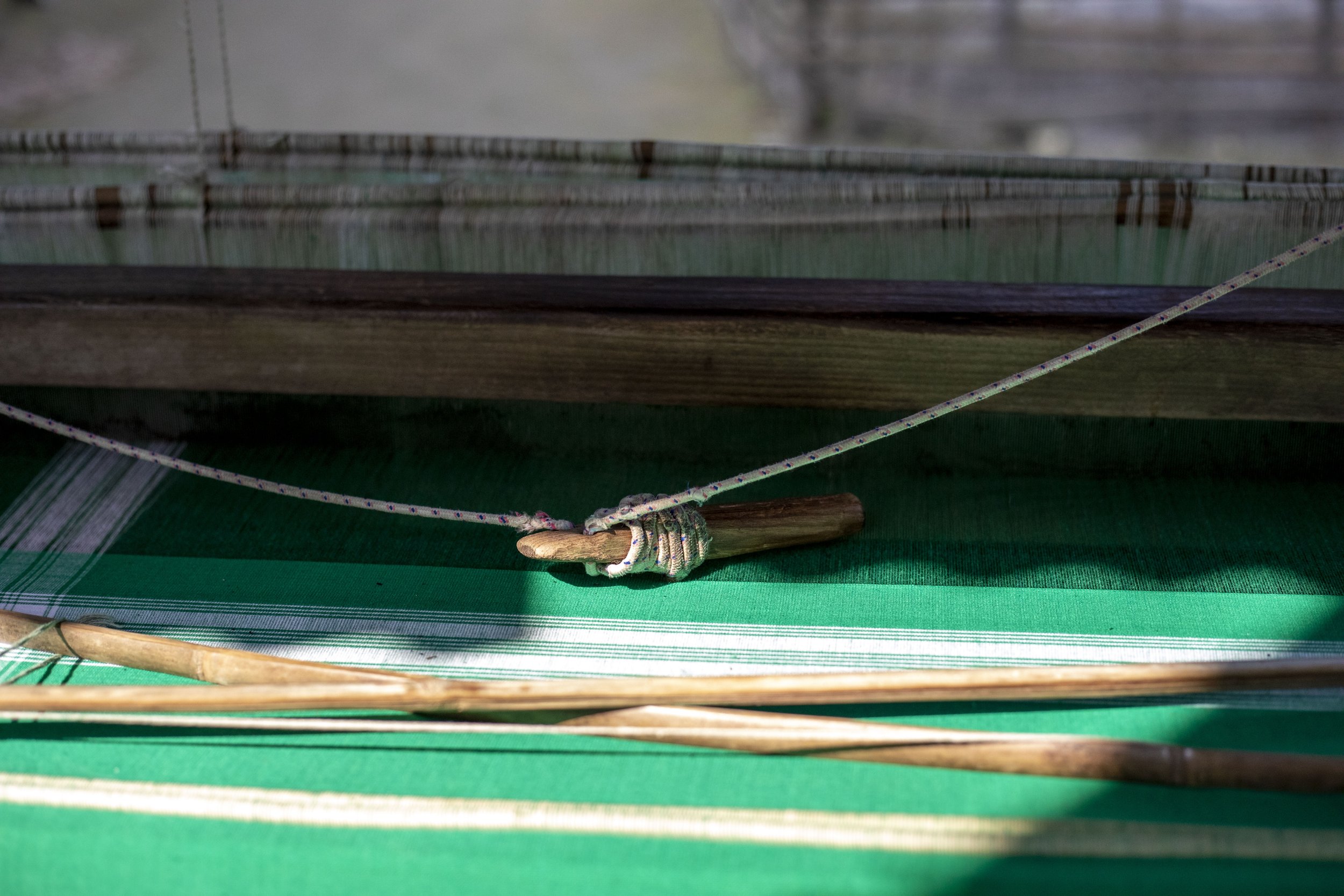
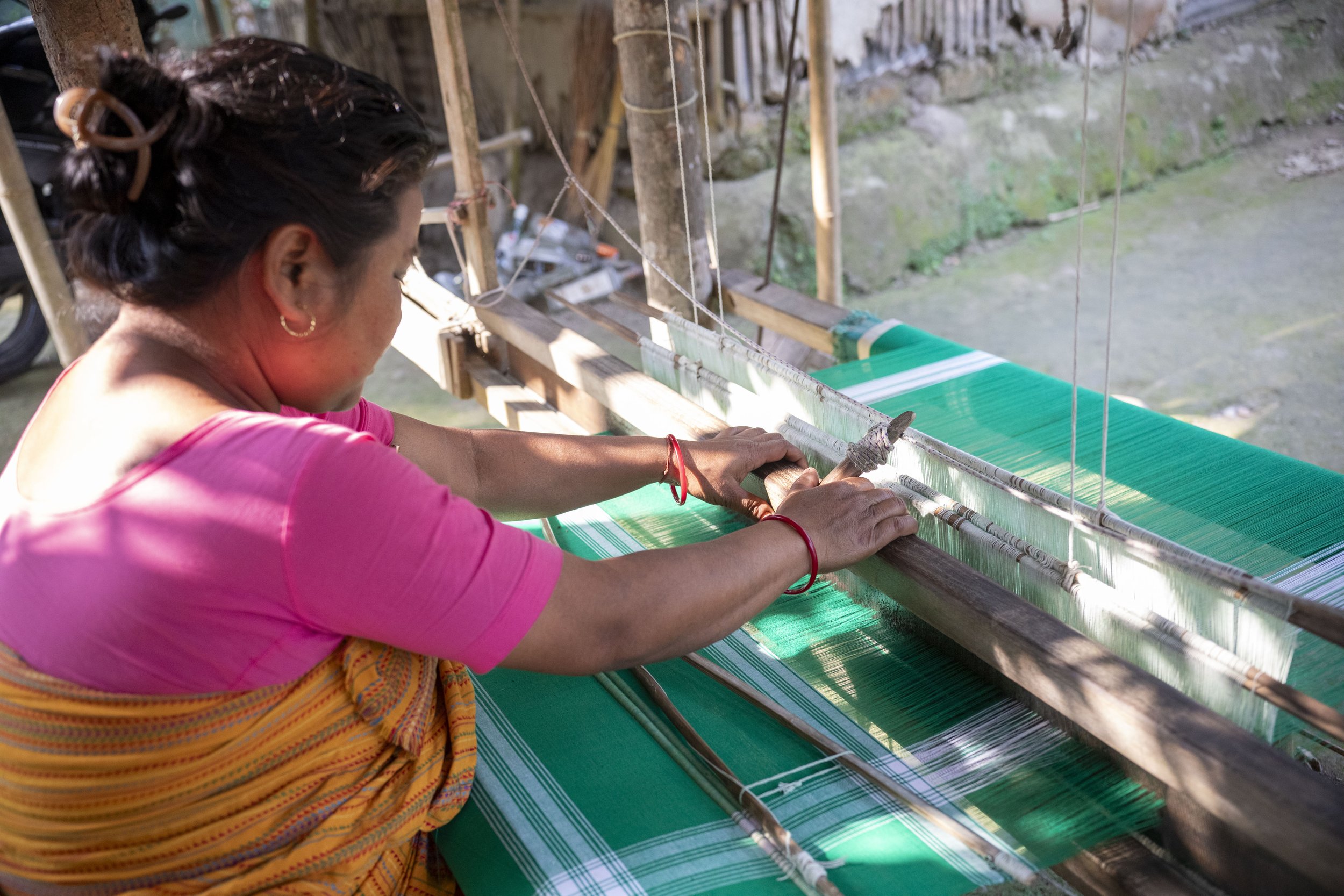
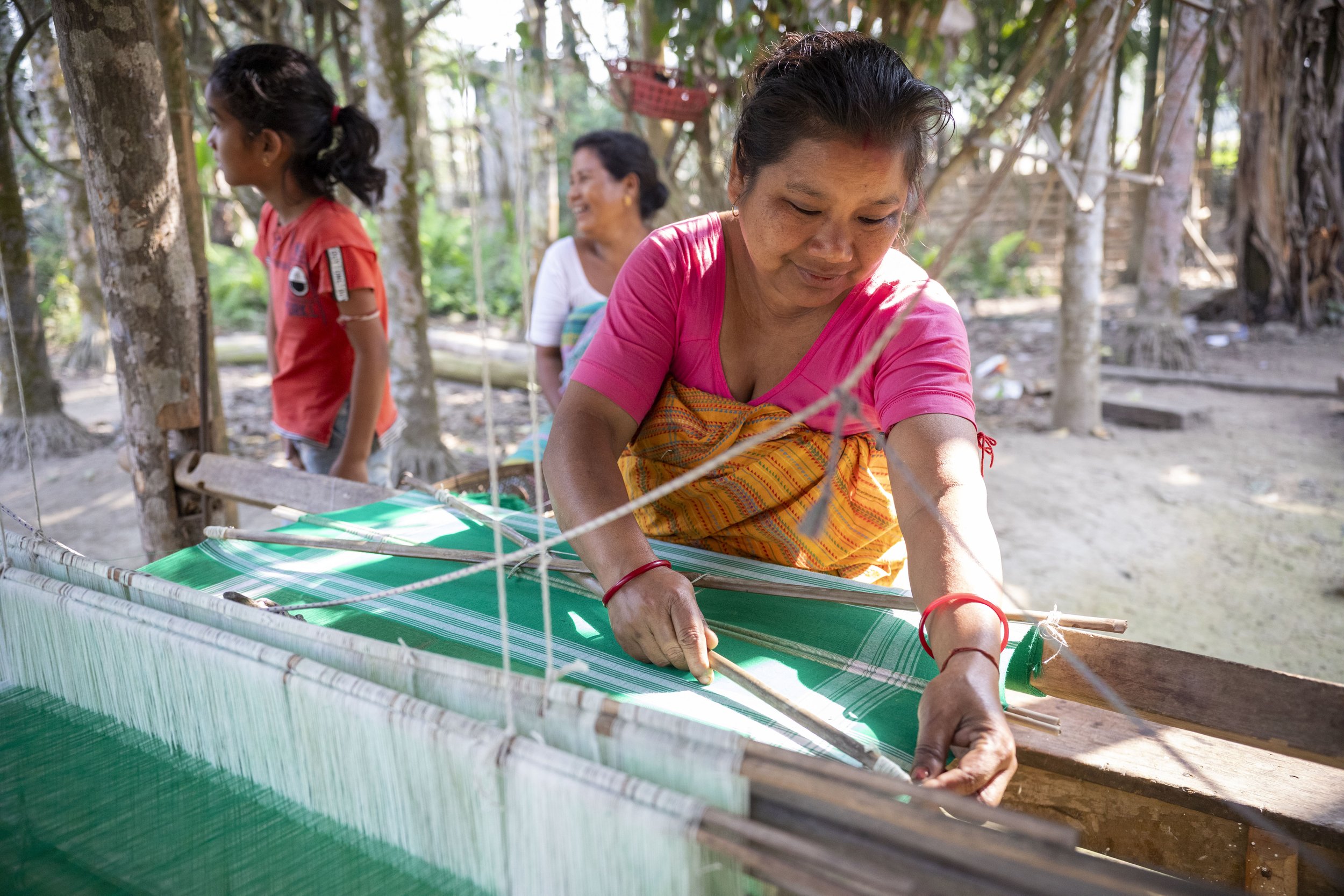
Brahma weaves gamsas and dokhonas, traditional textiles associated with communities such as the Bodo people. A gamsa sells for about 350 rupees, while a dokhona can sell for between 900 and 1,200 rupees, depending on the design.
The income helps pay for her children’s education and daily expenses.
The work has not been without challenges. In her early years, Brahma struggled to find a steady rhythm, with the shuttle often striking her hands. More recently, rising yarn costs have made it harder to sustain production.
Despite this, Brahma continues to weave.
Brahma is now teaching her daughter, passing on the skill in an effort to preserve a tradition that has largely disappeared from the village.